A free ebook by Ricardo Semler
The End of Forever.
The end of permanence. Of the lifelong contract. Of pretending anything is supposed to last forever.
A blueprint for a cyclical life built on relevance, natural cycles, and endings you choose with grace instead of guilt.
The problem
We were all sold the same lie: that the good things are supposed to last forever.
Lifelong marriages handcuffed by costly divorce laws. A single career path, because you're only allowed to be a student once. Purposeful pursuits abandoned because it's called “flaky” to reinvent yourself every few years. We treat permanence as the goal and endings as failure. So we cling, we stall, and we spend the back half of life quietly miserable, guarding a version of ourselves that stopped being true.
15–20
years of mobile, healthy life a doctor gave Semler for his last quarter. The question that started this book: what would you do with yours?
50
the age Semler burned the diplomas, records and photographs of a whole life in a backyard firepit, so he'd never be a hostage to his own past.
7
Unifying Principles behind The End of (Almost) Everything: finite cycles, relevance over permanence, endings chosen with grace.
“Permanence is illusory. Everything ends, and everything should end.”
Introduction — Unifying Principles
“Your only unbreakable contract should be with your cable company.”
Chapter 3
“Maturity means letting go of a completed cycle with grace and joy, not guilt.”
Introduction — Unifying Principles
The idea
A Cyclical Life
Nature doesn't run in straight lines. It runs in seasons: growth, ripeness, harvest, rest, and then again. A human life is meant to run the same way. Careers with seasons. Relationships that can complete instead of fail. An education you return to again and again. The goal isn't to make endings painless. It's to make them conscious, chosen, and followed by new life instead of guilt.
01
Live in cycles, not straight lines
Growth, ripeness, harvest, rest. A career or a marriage isn't a line to defend to the death; it's a season that can complete and give way to the next.
02
Measure by relevance, not permanence
When a pursuit or relationship stops serving your growth, it stops being relevant. That's not failure. It's a signal that a cycle is finishing.
03
Design conscious endings
An ending you choose, with grace, beats one you let rot. The book shows how to design and execute a conscious ending instead of waiting for the crash.
04
Follow the hunger
Polymaths pivot toward what fascinates them next. Success isn't cash or years stockpiled; it's a track record of blazing, passionate engagement.
Talk to the book
Ask Semler AI anything.
This site has read every page of The End of Forever. Ask about the lie of forever, conscious endings, living in cycles, and get answers in Ricardo's voice, straight from the book.
About the ebook
Not a self-help book. A permission slip to let things end.
In The End of Forever, Ricardo Semler, the business maverick behind Brazil's game-changing Semco experiment, turns his eye from companies to life itself. His argument: much of our unhappiness comes from a lie we were all sold, that the good things (marriages, careers, identities) are supposed to last forever. In a world where everything ends, clinging to permanence is a recipe for quiet misery.
His alternative is a life lived in natural cycles. Careers with seasons. Relationships that can complete with grace instead of failing. An education you return to again and again. He grounds it not in wishful thinking but in evolutionary biology, psychology, sociology, history and economics, and in the plain fact that human beings can't be happy pretending anything lasts forever.
The book gives you a way to see: the Four Phases of a cycle, following the hunger, how to design and execute a conscious ending, and how to measure success by relevance and passionate engagement instead of years or dollars stockpiled.
It's personal, too. It opens with a doctor telling Semler how many good years he has left, and follows him from a Brazilian firepit where he burned his past to a La Jolla where he nearly became his own worst cliché. The End of Forever is his answer to the question that haunts the second half of life: now what?
The author
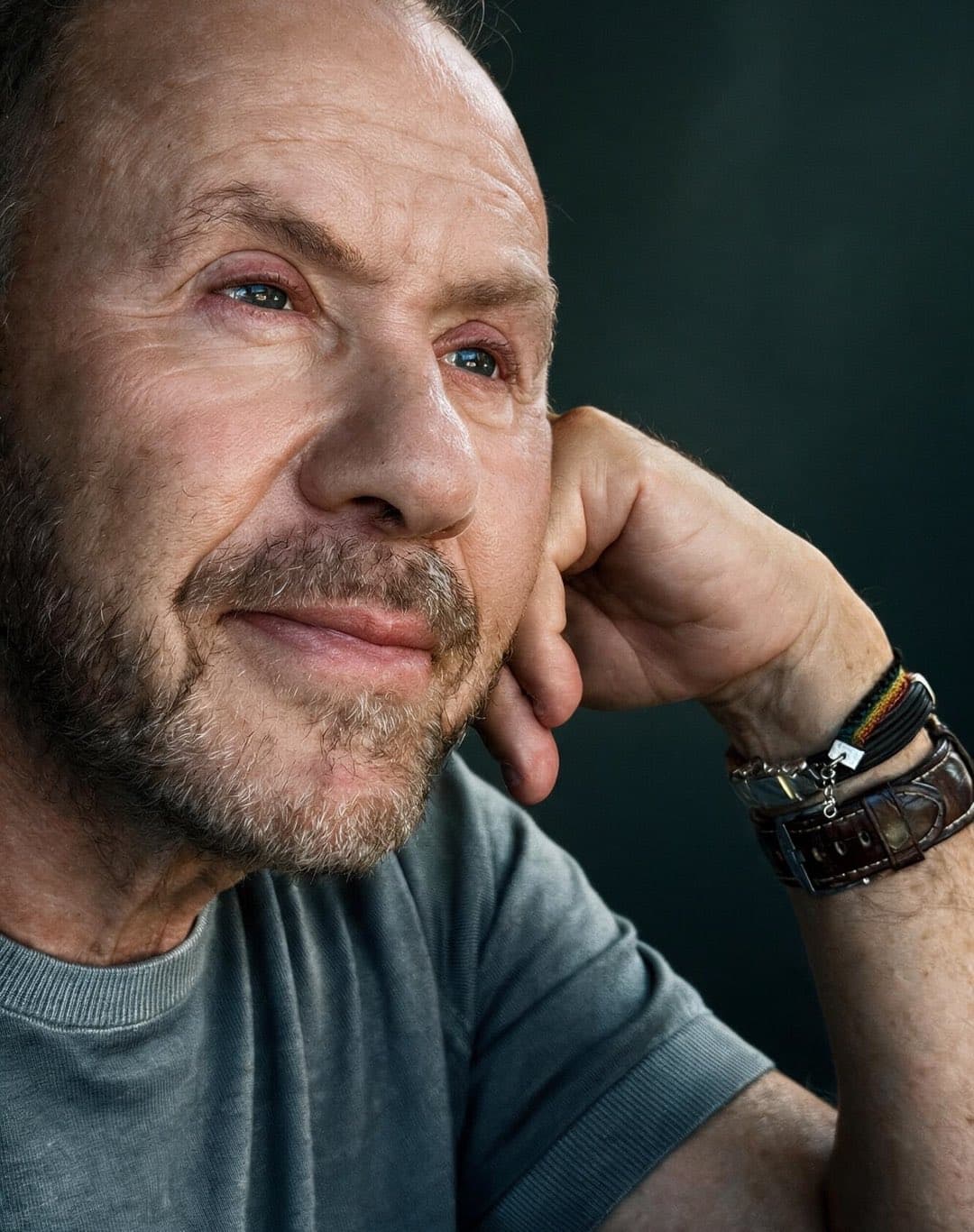
Ricardo Semler
The business maverick who spent a lifetime dismantling permanence: rigid companies, rigid schools, and finally the idea that any good thing has to last forever.
Surprise: it worked. Semco grew from a small manufacturer into a diversified global enterprise: from roughly $4 million in revenue to more than $200 million, with thousands of employees across multiple industries. Along the way, Semler kept asking a bigger question, about how work, school and life should actually be lived.